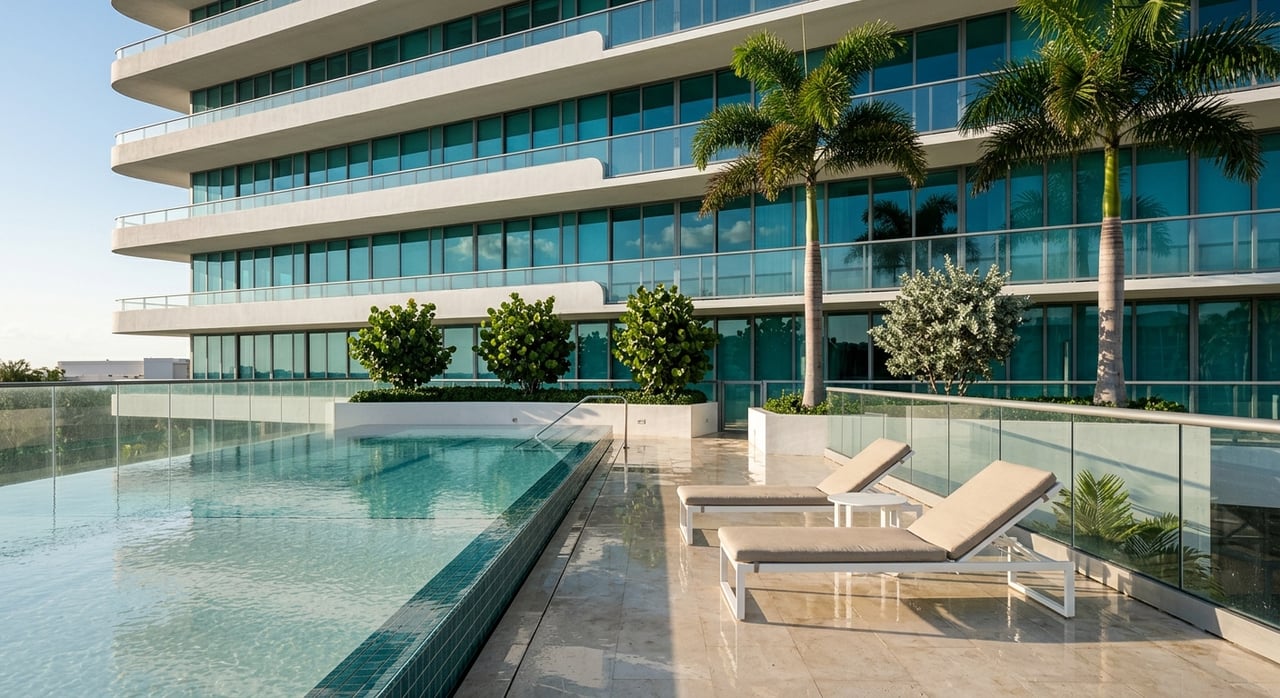
A stunning bay view can stop you in your tracks, but in Edgewater, smart condo buyers know the view is only part of the story. If you are weighing towers in this fast-growing waterfront neighborhood, you also need to understand the building’s condition, finances, rules, and day-to-day lifestyle fit. The right purchase happens when the unit, the building, and your long-term costs all make sense together. Let’s dive in.
Why the building matters in Edgewater
Edgewater sits on Biscayne Bay, north of Downtown and the Arts & Entertainment District, and south of Midtown and the Upper East Side. It is primarily residential, with many high-rise towers along the water and increasing density closer to the bay. That means two condos with similar views can still offer very different living experiences.
In practice, the building often matters just as much as the unit. A savvy buyer looks at the unit stack, exposure, balcony use, elevator access, parking, storage, and the level of nearby street or park activity. In a neighborhood shaped by waterfront towers, busy corridors, and urban growth, these details can affect your daily comfort and your resale outlook.
Check building age and inspection status
In Florida, a condo building that is three or more habitable stories high faces specific inspection requirements tied to age. A milestone inspection is required by the end of the year a building turns 30, and then every 10 years after that. In some cases where the local enforcement agency has adopted an earlier threshold, the first inspection is due at 25 years.
For Edgewater buyers, this makes building age more than a background detail. It can influence future repair timing, budgeting, and the likelihood of additional owner costs. If you are comparing older bayfront towers to newer developments, this is one of the first items worth confirming.
Ask for milestone inspection records
Structural inspection reports are part of the condominium association’s official records and must be made available to potential purchasers. That gives you a direct way to understand whether a building has already completed required reviews, whether repairs were recommended, and whether work is finished or still planned.
Do not settle for broad verbal reassurances. Ask for the actual reports and review them carefully as part of your due diligence. In a high-rise market like Edgewater, inspection history can reveal a lot about how proactively a building is being maintained.
Understand the SIRS requirement
Another major Florida buyer check is the structural integrity reserve study, often called a SIRS. The Florida Department of Business and Professional Regulation says residential condominium associations for buildings that are three habitable stories or higher must complete a SIRS at least once every 10 years after the condominium’s creation.
For associations controlled by unit owners that existed on or before July 1, 2022, the initial SIRS deadline was December 31, 2025. DBPR also says that if a budget was adopted on or after December 31, 2024, SIRS reserves may not be waived. For buyers, that means reserve funding is becoming a much more important part of the affordability picture.
Review what the reserve study covers
A SIRS is not a vague building summary. It addresses specific systems that can have major repair or replacement costs over time. DBPR identifies items such as the roof, structural systems, fireproofing and fire protection systems, plumbing, electrical systems, waterproofing and exterior painting, and windows and exterior doors.
These are exactly the categories that can affect your future ownership costs. When you compare Edgewater condos, look beyond finishes and amenities and ask whether the building is funding these needs in a realistic way.
Look closely at association finances
A condo’s monthly fee tells only part of the story. Florida law requires condominium budgets to include reserve accounts for capital expenditures and deferred maintenance, and reserve funds generally must stay reserved for authorized purposes unless owners approve another use as allowed by law.
That is why savvy buyers treat reserves as a core part of affordability. A lower monthly payment can look appealing at first, but if reserves are thin or major work is looming, your real cost of ownership may be much higher than it appears.
Request the right association documents
Florida’s official-records requirements give buyers access to a wide range of useful documents. These can include the declaration, bylaws, rules, meeting minutes, current insurance policies, accounting records, reserve studies, financial reports, contracts and bids, building permits, and inspection reports.
Under Florida law, official records must be made available within 10 working days after a written request. Since structural inspection reports and reserve studies must also be provided to potential purchasers, these should be on your must-review list before you commit.
Ask about special assessments
Special assessments can change your monthly carrying cost quickly. Florida law says a unit owner is liable for assessments that come due while they own the unit, and notice of a special assessment must state its specific purpose.
That means you should ask more than whether an assessment exists. You should also ask what it is funding, whether it relates to inspections or repairs, and whether future phases of work are still expected. A building with a clear plan may be easier to evaluate than one with unanswered questions.
Review insurance as part of affordability
Insurance is another key building-level cost. Florida law requires associations to use their best efforts to maintain adequate property insurance for the association and common elements, and to maintain insurance or fidelity bonding for people who control or disburse association funds.
Insurance costs must also be stated in the association budget. In Edgewater, where waterfront location is part of the appeal, insurance strategy should be part of your financial review from the start.
Match the condo to your lifestyle
Edgewater attracts buyers who want a waterfront setting with close access to other major Miami districts. The neighborhood’s location between Downtown, the Arts & Entertainment District, Midtown, and the Upper East Side is a major reason buyers look here in the first place.
Still, daily life can vary from one block to the next. Some buildings feel more connected to the bay and park, while others feel more tied to the energy of Biscayne Boulevard and surrounding urban activity. The right choice depends on how you want to live, not just what looks best in photos.
Consider proximity to Margaret Pace Park
Margaret Pace Park is one of Edgewater’s defining lifestyle features. The City of Miami describes it as a waterfront park with basketball, dog park access, outdoor gym equipment, playgrounds, tennis, volleyball, walking trails, and waterfront access.
For some buyers, being near the park is a major plus. For others, it may mean more activity nearby than they want. When touring, think about how that setting fits your routine rather than assuming every bayfront address feels the same.
Think through transit and traffic patterns
Biscayne Boulevard is the neighborhood’s main transportation artery. The Miami-Dade MPO also notes City of Miami trolley service along Biscayne Boulevard, which can be a practical benefit depending on your commuting habits and lifestyle.
Some buyers prefer a building with easier access to the corridor and surrounding activity. Others want more privacy and a quieter feel, even if that means less direct connectivity. It helps to think about this before you focus too narrowly on a floor plan.
Evaluate flood exposure carefully
Because Edgewater sits on Biscayne Bay, flood exposure is a serious part of the buying conversation. Miami-Dade County says coastal areas can flood from storm surge, and low-lying coastal areas can also flood during syzygy tides. The county also uses sea-level-rise planning projections that estimate sea levels could be 10 to 17 inches higher by 2040 than in 2000.
That does not mean every property carries the same level of exposure. It does mean that flood-related due diligence should be part of any smart Edgewater condo search.
Ask for flood-zone information
Miami-Dade provides flood-zone materials that explain the difference between flood categories, including high-risk coastal zones such as VE. The county also notes that flood insurance is required for any federally backed mortgage in a special flood hazard area.
If you are considering a specific condo, ask for a flood-zone determination and, where relevant, an elevation certificate. This helps you understand possible insurance implications and gives you a clearer picture of the property’s risk profile.
Be extra careful with new and pre-construction condos
Edgewater continues to attract new and recently delivered towers, which can be exciting for buyers who want fresh inventory and modern amenities. But if you are looking at a new or pre-construction condo, written disclosures matter more than sales language.
Florida’s developer-disclosure statute says oral representations cannot be relied upon as correct statements of the developer. It also says budget figures given to the buyer are estimates only. That is why careful buyers rely on the disclosure package and contract documents when comparing opportunities.
Confirm financing viability early
If you plan to finance your purchase, the condo project itself can affect the loan. Fannie Mae says the lender must determine that the condominium project meets its eligibility requirements before delivering a loan secured by a unit in that project.
This is important because buyers sometimes focus on unit negotiations before confirming project eligibility. In a condo-heavy market like Edgewater, checking this early can save time and reduce surprises later.
A smart Edgewater condo checklist
Before you tour seriously or prepare an offer, keep this checklist in mind:
- Request the declaration, bylaws, rules, current budget, reserve schedule, recent financial report, board minutes, insurance policies, reserve study, milestone inspection records, structural inspection reports, permits, and any relevant bids or contracts.
- Confirm whether special assessments exist, whether more are pending, and what each one is funding.
- Ask whether required inspection-related repairs have been completed, funded, or scheduled.
- If you are financing, verify early whether the building can satisfy lender project review.
- If the condo is new or pre-construction, rely on the written disclosure package and contract documents, not verbal promises.
- Review the building’s location in relation to Biscayne Boulevard, Margaret Pace Park, parking access, and your preferred day-to-day pace.
- Request flood-zone information and any relevant elevation documentation for the specific property.
The best Edgewater condo is not always the one with the widest water view or the flashiest amenity deck. It is the one where the building’s condition, financial health, inspection history, and lifestyle fit all line up with your goals. If you want experienced guidance as you compare Edgewater opportunities, Kimberly Rodstein can help you evaluate both the residence and the building behind it.
FAQs
What should buyers review before choosing an Edgewater condo building?
- Buyers should review the association’s budget, reserve study, milestone inspection records, structural inspection reports, insurance policies, meeting minutes, rules, and any current or planned special assessments.
Why do milestone inspections matter for Edgewater condo buyers?
- Milestone inspections matter because Florida requires them for many older condo buildings that are three or more habitable stories high, and the reports can reveal repair needs, future costs, and maintenance history.
What is a SIRS in a Florida condo building?
- A SIRS is a structural integrity reserve study that evaluates reserve funding for major building components such as the roof, structural systems, plumbing, electrical systems, waterproofing, and windows and exterior doors.
How do special assessments affect Edgewater condo affordability?
- Special assessments can increase your true cost of ownership quickly, so you should ask whether any are active or pending and what work or expense they are intended to cover.
What location factors matter when buying an Edgewater condo?
- Important location factors include proximity to Biscayne Boulevard, access to transit, nearby park activity, parking convenience, and whether the building’s setting matches your preferred level of privacy and neighborhood activity.
Why should Edgewater condo buyers ask about flood zones?
- Buyers should ask about flood zones because Edgewater is a bayfront neighborhood, and flood-zone status can affect insurance requirements, financing, and long-term risk planning.