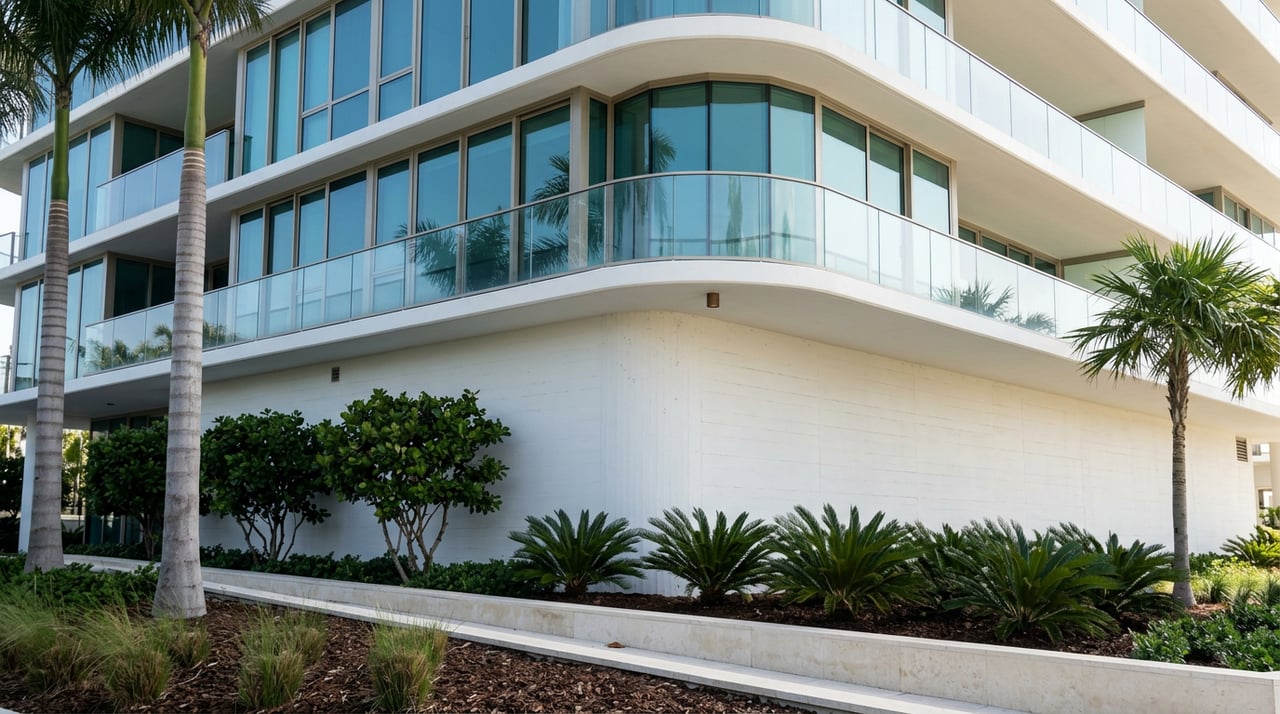
If you picture Downtown Miami condo living as all skyline and speed, you are only seeing part of the story. Yes, it feels vertical, energetic, and connected, but it also gives you a surprisingly livable routine shaped by waterfront walks, easy transit options, dining variety, and culture close to home. If you are wondering whether the lifestyle fits the way you actually want to live, this guide will help you see what day-to-day life really feels like. Let’s dive in.
Downtown Miami feels urban and active
Downtown Miami is not a small pocket of towers. It is a 927-acre development district that includes Brickell, the Central Business District, and the Arts + Entertainment District, with offices, retail, residential towers, hotels, parks, museums, theaters, libraries, college campuses, and the county government seat all within the broader area.
That scale matters when you think about condo life here. Downtown feels dense, mixed-use, and constantly moving. The Miami Downtown Development Authority reports that more than 101,000 people live downtown, the district supports 155,000 jobs, and there are more than 200 residential buildings, 8,100 hotel rooms, and 30-plus construction projects.
In real life, that means you are not moving into a quiet, isolated residential area. You are choosing a neighborhood with real city energy, where work, dining, entertainment, transit, and waterfront public spaces all overlap.
Condo living is often car-light
One of the biggest lifestyle shifts in Downtown Miami is that you may not need to drive for every part of your day. The free Metromover serves 21 stations and connects with Metrorail at Government Center and Brickell, while Metrorail provides direct service to Downtown Miami and Miami International Airport.
There is also a micromobility network with bike lanes linking places like Government Center, MiamiCentral, Miami-Dade College, and several Metromover stations. For broader regional travel, MiamiCentral serves as a multimodal hub, Brightline connects Miami to Aventura, Fort Lauderdale, Boca Raton, West Palm Beach, and Orlando, and Tri-Rail began serving MiamiCentral in January 2024.
That does not make Downtown fully car-free. It does mean you can often live car-light, especially if your week includes local errands, office time, dining out, or events in the urban core.
What commuting can feel like
Your morning may start with an elevator ride instead of a long drive through neighborhood streets. From there, you might walk to Metromover, connect to Metrorail, grab a quick coffee nearby, or head to MiamiCentral for regional travel.
For buyers relocating from more spread-out areas, this can be one of the biggest adjustments. Daily life often becomes less about planning every trip around parking and more about having multiple ways to move through the city.
Dining is part of the everyday appeal
Downtown Miami has one of the strongest dining lineups in the urban core. According to the Miami DDA, the district has more than 350 eateries, with everything from quick cafés and ventanitas to full-service restaurants and globally inspired cuisine.
That affects more than your weekend plans. It changes how your weekdays feel too. Lunch meetings, coffee breaks, casual dinners, and last-minute plans all become easier when so many options sit close to home.
For condo residents, that convenience is part of the value. You are not just buying square footage in a tower. You are buying access to a neighborhood where stepping out for a meal or meeting can feel simple and spontaneous.
Culture is woven into the lifestyle
A Downtown Miami condo places you near one of the region’s densest clusters of cultural destinations. The Adrienne Arsht Center produces more than 400 annual events, while PAMM, Frost Science, and HistoryMiami Museum all add different layers to the experience of living in the district.
Then there is Kaseya Center, which adds a major sports and entertainment presence with more than 80 non-basketball events each year. In practical terms, that means your after-work options can include live performance, museum time, major events, and waterfront activity without leaving the downtown core.
If you value being close to things to do, this is one of Downtown’s clearest strengths. The neighborhood does not rely on one attraction or one scene. It offers a broad mix of experiences within a relatively compact area.
The waterfront gives the skyline balance
High-rise living can sound very indoor-focused, but Downtown Miami has a strong outdoor side. Bayfront Park is a 32-acre urban park on Biscayne Bay, and Maurice A. Ferré Park adds another 21 acres of waterfront open space.
The Baywalk and Riverwalk network also play a major role in the feel of the neighborhood. The Miami DDA describes these corridors as a nearly 5-mile route for walking and biking along Biscayne Bay and the Miami River, with the Baywalk 89% complete and the Miami Riverwalk and on-road Greenway 68% complete.
That means condo life here is not only about towers, lobbies, and amenity decks. It can also include a morning run by the bay, an evening walk near the water, or a weekend plan built around outdoor public space.
What weekends often look like
A typical weekend can be surprisingly varied without going far. You might start with a waterfront walk, spend time in Museum Park, catch an event at Bayfront Park or the Arsht Center, and end the day with dinner downtown.
The public realm has been designed with activation in mind. The DDA says it aims for sidewalks and promenades that are safe, clean, shaded, and well-lit, with shopping, outdoor dining, public art, events, and performers shaping the experience.
The district has also supported activities like moonlight kayaking, paddleboarding, live music, painting, food festivals, and educational water-quality tours. So while your condo may offer views and amenities, the neighborhood itself adds another layer of lifestyle value.
Downtown is convenient, but not quiet
This is one of the most important things to understand before you buy. Downtown Miami works best for people who enjoy convenience, energy, skyline views, and access to dining, transit, and culture.
It is usually less ideal if your top priorities are a private yard, suburban quiet, or a low-traffic setting. The district’s identity is shaped by density, active streets, major venues, transit movement, and continued development.
That is not a drawback if that is what you want. In fact, for many condo buyers, it is exactly the point. The appeal is being in the center of action while still having a private home base above it.
Parking and mobility require the right expectations
Downtown does offer substantial parking. The Miami DDA says the Miami Parking Authority manages more than 34,000 parking spaces.
Still, this is a dense urban district, and event traffic or construction can affect how easy driving feels at certain times. Kaseya Center also notes that parking options near the arena have decreased as downtown has grown and recommends transit when possible.
If you are considering a condo here, it helps to think of driving as one option among many, not always the default. Buyers who embrace that mindset often find the area easier to enjoy.
Pet-friendly and active by design
If outdoor routine matters to you, Downtown Miami supports an active lifestyle. The DDA reports that 39% of downtown households own a pet, 60% of those pet-owning households have a dog, and 70% of residents exercise weekly.
The district also includes practical features that support daily routines, such as a Downtown Dog Spot and a Pit Stop program with clean public restrooms and a dog-waste station. These details may sound small, but they help shape how easy everyday living feels when you are walking the neighborhood regularly.
For condo buyers with pets or fitness habits, this can be an important part of the decision. It suggests a district where outdoor movement is part of the lifestyle, not an afterthought.
What buyers should know before choosing a condo
The Downtown Miami condo lifestyle is strong, but it is best approached with clear expectations. The waterfront experience is a real asset, yet parts of the Baywalk, Riverwalk, and some bike lane sections are still being completed in phases alongside nearby development.
That means the neighborhood is both established and evolving at the same time. You get the benefit of major infrastructure, public spaces, and a fully urban environment, but you should also expect ongoing change in a district that continues to grow.
For many buyers, that evolution is part of the upside. It reflects a neighborhood with momentum, investment, and long-term relevance in Miami’s condo market.
Who Downtown Miami condo living suits best
Downtown Miami condo living tends to fit buyers who want an urban rhythm. If you value proximity to transit, flexible mobility, waterfront public spaces, cultural venues, dining variety, and a modern high-rise environment, the area can be a very compelling match.
It can also appeal to relocating professionals, second-home buyers, and investors who want a connected Miami location with broad lifestyle appeal. The key is making sure your expectations line up with the neighborhood’s character.
When you buy in Downtown, you are choosing more than a residence. You are choosing a faster-paced, amenity-rich, city-centered way of living.
If you are exploring Downtown Miami condos and want guidance tailored to your goals, lifestyle, and investment criteria, Kimberly Rodstein can help you navigate the market with experienced, concierge-level insight.
FAQs
What is daily life like in a Downtown Miami condo?
- Daily life in a Downtown Miami condo often feels convenient, walkable, and fast-paced, with easy access to transit, dining, waterfront spaces, and cultural venues.
Is living in Downtown Miami possible without driving everywhere?
- Yes, many residents live car-light thanks to the free Metromover, Metrorail, Metrobus connections, trolley service, micromobility options, and regional rail access through MiamiCentral.
What outdoor spaces do Downtown Miami condo residents use?
- Residents often use Bayfront Park, Maurice A. Ferré Park, and the Baywalk and Riverwalk corridors for walking, biking, exercise, and waterfront leisure time.
Is Downtown Miami condo living good for pet owners?
- Downtown Miami appears pet-friendly, with the DDA reporting that 39% of downtown households own a pet, along with features like a Downtown Dog Spot and dog-waste stations.
What should buyers expect from the Downtown Miami atmosphere?
- Buyers should expect a dense urban setting with active streets, major venues, ongoing development, and strong access to dining, entertainment, and transit rather than a quiet residential feel.
Are Downtown Miami waterfront paths fully complete?
- Not yet. The Baywalk and Riverwalk systems are being connected in phases, so buyers should expect a strong waterfront experience that is still evolving.