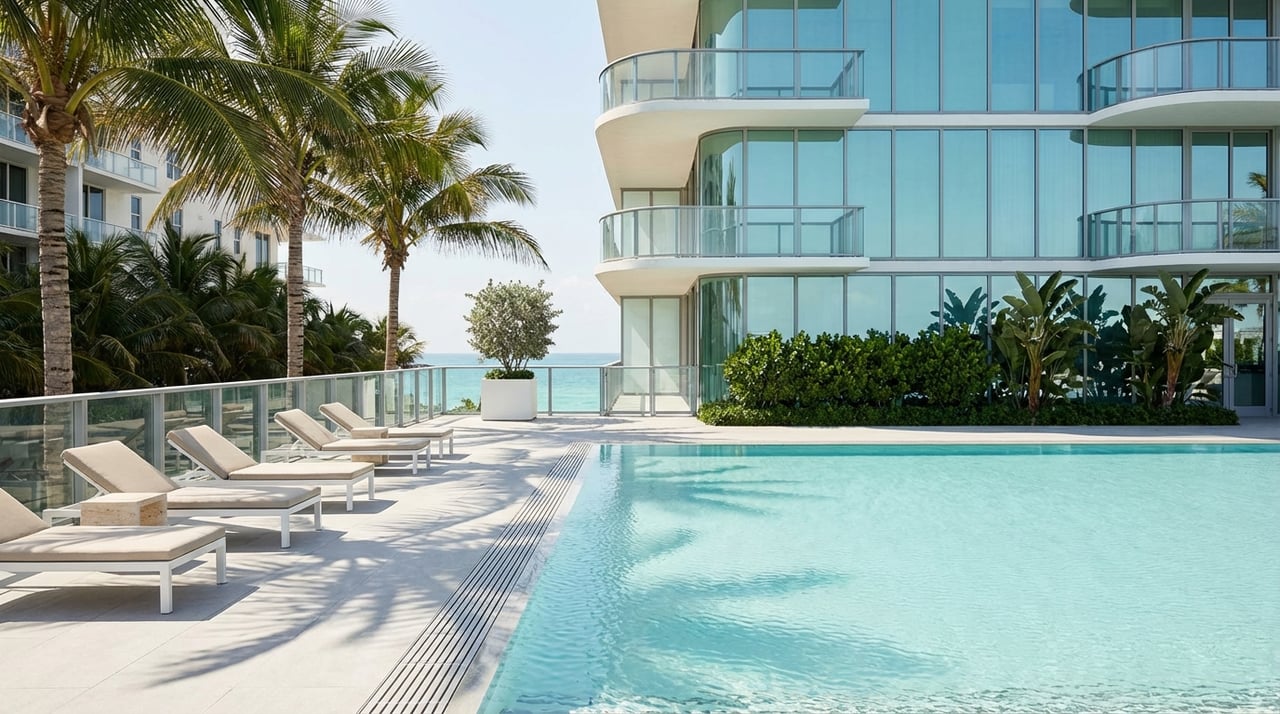
If you love the idea of waking up to the Atlantic but are torn between Surfside and Bal Harbour, you’re not alone. Each offers a distinct rhythm, from Surfside’s boutique calm to Bal Harbour’s polished, full‑service energy. In this guide, you’ll compare lifestyle, buildings, costs, rental rules, and risk so you can choose the oceanfront condo that truly fits you. Let’s dive in.
Quick feel: Surfside vs. Bal Harbour
Surfside lifestyle
Surfside is a compact oceanfront town with about 5,700 residents, giving it an intimate, residential feel with a growing luxury edge. Recent years have brought ultra‑luxury towers and headline sales alongside older mid‑rise buildings. You can walk to the beach, neighborhood cafes, and parks, with world‑class shopping next door in Bal Harbour. For many buyers, it reads as a quieter base with easy access to five‑star services. U.S. Census QuickFacts confirms Surfside’s small‑town scale.
Bal Harbour lifestyle
Bal Harbour is a purposefully upscale village known for its curated retail core and full‑service oceanfront towers. The neighborhood centers on luxury hospitality and high‑end conveniences, with many residents choosing it for the immediate access to shopping and dining at Bal Harbour Shops. Demographics skew affluent, and the built environment feels more resort‑residential than neighborhood‑by‑neighborhood. See an overview of the village profile at Census Reporter.
Condo product and pricing
Market snapshots show both towns trading in the seven‑figure range for many condos, with top‑tier product commanding much higher prices. Surfside’s ultra‑luxury tier has produced trophy sales, including a Seaway at The Surf Club penthouse that set a county record, as reported by The Real Deal. Bal Harbour’s median prices also sit high, and inventory often concentrates in large, full‑service buildings. For current numbers, request the latest MLS report by month and building before you make an offer.
Surfside buildings to know
- Four Seasons at The Surf Club and adjacent boutique offerings like Seaway attract buyers seeking resort‑level service in a lower‑key setting. That mix has helped push Surfside into a boutique‑ultra‑luxury lane.
- Designer product such as FENDI Château Residences delivers white‑glove amenities in a smaller footprint, with dues that reflect five‑star services.
- Older mid‑rise and garden buildings can be more attainable, but many face stricter inspection timelines and reserve requirements under new Florida law, which can mean higher dues or assessments.
Bal Harbour buildings to know
- Oceana Bal Harbour and St. Regis Bal Harbour are classic examples of large, full‑service oceanfront towers. Expect extensive amenity suites, from spas and dining to beach and concierge services.
- The village also includes smaller co‑ops or condos and a handful of waterfront townhouses in a tight, highly regulated footprint.
- Monthly association dues in luxury buildings are often substantial, reflecting staffing, amenities, and capital needs.
What monthly dues cover
Your monthly dues fund two buckets: services and capital maintenance. Services cover staffing, amenities, utilities, and insurance carried by the association. Capital maintenance funds long‑term structural needs via reserves, which Florida now emphasizes under new condo laws. The takeaway is simple: budget for dues that match the building’s service level and age. In full‑service oceanfront towers, that can mean several thousand dollars per month, with higher figures for large residences.
Short‑term rentals and investor lens
Short‑term rental rules stack at three levels: state, municipal, and condo association. In Surfside, the town requires registration and sets rules for vacation rentals, outlined on the Town of Surfside short‑term rental page. At the state level, frequent short stays may require a vacation rental license through the Florida DBPR. Bal Harbour regulates vacation rentals through business and resort tax registrations and a permit framework, and many buildings have their own restrictions or prohibitions.
Investor tip: Even if a city permits short‑term rentals, many condos do not. Verify minimum stay rules, lease limits per year, and registration requirements in the condo documents before you underwrite income.
Safety, inspections, and reserves
Florida enacted significant condo safety reforms after 2021, commonly referred to under SB 4‑D and related bills. Key points include milestone structural inspections at 30 years in general and 25 years for buildings within three miles of the coast, then every 10 years thereafter. Mandatory reserve studies and limits on waiving reserve funding aim to ensure buildings plan and pay for critical repairs. Review a building’s inspection history and reserves using the Florida Realtors summary of SB 4‑D as your baseline framework.
Flood, insurance, and resilience
Oceanfront condos on Miami‑Dade’s barrier islands face higher exposure to sea‑level rise, storm surge, and nuisance flooding over time. For context on long‑term trends, review NOAA’s overview of global sea‑level rise. Insurance markets have also been under pressure statewide, which can affect premiums and deductibles; see reporting on cost impacts in AP News. Ask each association about flood‑mitigation steps, like waterproofing, raised mechanicals, generator capacity, and beach nourishment agreements.
Which fits you?
Seasonal and pied‑à‑terre buyers
- Surfside: You may prefer the quieter, boutique vibe with access to resort‑grade services. It suits owners who want a serene oceanfront base with easy adjacency to luxury dining and shopping.
- Bal Harbour: If you want concierge teams, on‑site dining, and luxury retail at your doorstep, Bal Harbour delivers a polished, full‑service lifestyle. Expect dues that align with that support.
Families and everyday needs
- Surfside: The local parks, walkable blocks, and more residential feel can appeal to families who want beach proximity with a neighborhood rhythm.
- Bal Harbour: You get exceptional services and a curated environment that feels more resort‑residential than single‑family. It suits households that value immediate convenience and on‑site amenities.
Investors and second‑home landlords
- Surfside: Newer boutique product can command strong seasonal rates, but older buildings may face inspections or capital projects that pressure returns. Confirm whether short‑term rentals are allowed at all three regulatory levels.
- Bal Harbour: High nightly rates are possible in select buildings, but strict building policies and limited supply make underwriting and compliance essential.
Your condo due‑diligence checklist
- Review structural docs. Request the latest reserve study, milestone inspection reports, and board meeting minutes that discuss repair plans and assessments. Florida’s reforms are summarized by Florida Realtors.
- Analyze the budget. Pull the current HOA budget and reserves. Ask whether reserves were ever waived, whether a special assessment is pending, and how capital projects are sequenced.
- Price insurance early. Get quotes for association master coverage and your unit policy, including wind, hurricane deductibles, and flood. Statewide cost pressures are covered in AP News.
- Confirm rental rules. Check state licensing via the DBPR guide, municipal requirements such as Surfside’s registration, and your condo documents.
- Understand flood exposure. Review building elevation, FEMA designations, and any flood‑mitigation upgrades. For long‑term context, see NOAA’s sea‑level resource.
- Test daily convenience. Walk the immediate area for errands, review parking and guest policies, and note proximity to medical services and transit or rideshare programs.
- Use current comps. Ask for an up‑to‑the‑minute MLS snapshot by building and line, including recent sales, days on market, and active competition.
Next steps
Choosing between Surfside and Bal Harbour comes down to how you want to live and what you expect from your building. Weigh service level, monthly dues, inspection and reserve status, insurance costs, rentability, and your tolerance for coastal risk. Then target the buildings that match your lifestyle and carrying‑cost comfort.
If you want a confidential, building‑specific game plan, request a private consultation with Kimberly Rodstein. You’ll get current comps, association document reviews, insurance and financing introductions, and on‑site tours that make your decision clear.
FAQs
What’s the main lifestyle difference between Surfside and Bal Harbour?
- Surfside skews quieter and boutique with a residential feel, while Bal Harbour delivers a polished, full‑service experience anchored by luxury retail and resort amenities.
How do Florida’s condo inspection laws affect buying here?
- Many coastal buildings now require milestone inspections and funded reserves on defined timelines, so you should review inspection reports, reserve studies, and any special assessments before you commit, using the Florida Realtors SB 4‑D summary as a reference.
What should I budget for monthly dues in a luxury oceanfront tower?
- Dues vary by building and unit size, but full‑service oceanfront condos commonly run into the thousands per month, reflecting staffing, amenities, insurance, and capital reserves.
Can I do short‑term rentals in Surfside or Bal Harbour?
- It depends on three layers: state licensing, municipal permits or registrations (for example, Surfside’s rules), and your condo’s governing documents, which often set minimum stays or prohibit short‑term rentals.
How do flood and insurance risks affect oceanfront condos?
- Sea‑level rise and storm surge elevate long‑term risk and can influence premiums and deductibles; review long‑term trends via NOAA’s resource and get current insurance quotes early.
What signals a well‑run association in these markets?
- Look for timely milestone inspections, transparent reserve studies, clear capital plans, adequate insurance, and consistent communication about projects and dues.