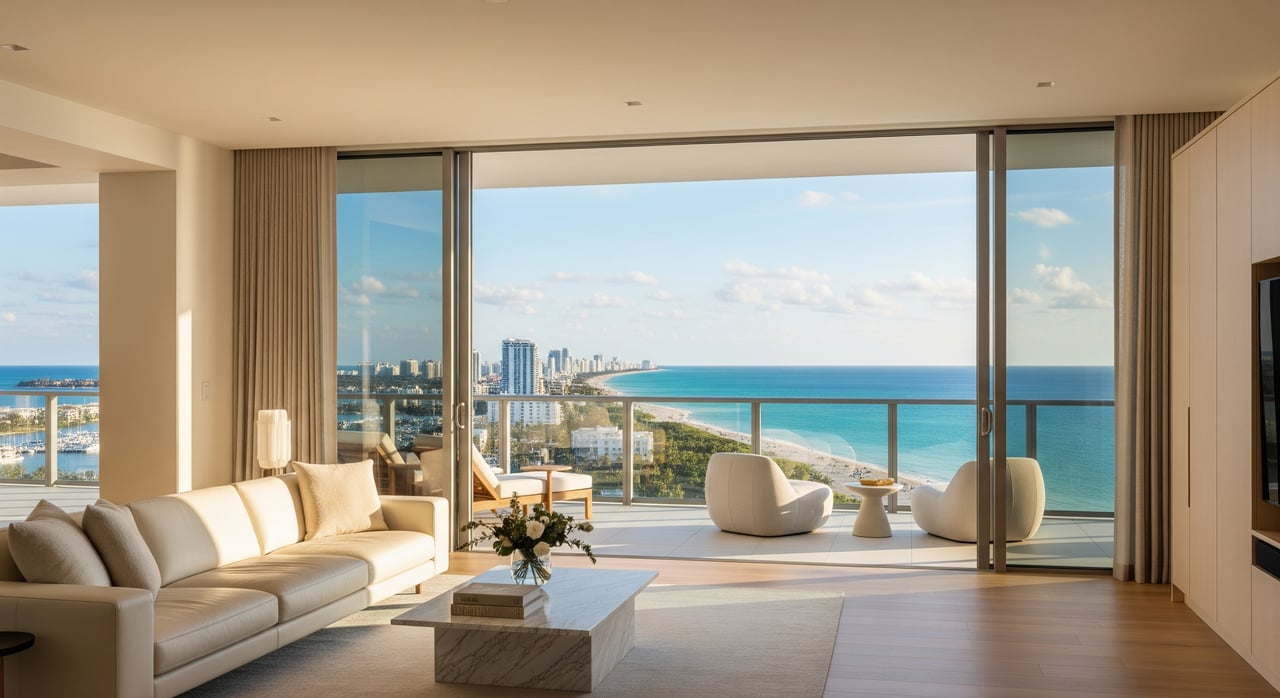
Want to defer capital gains tax while upgrading into a Miami Beach condo that fits your portfolio? If you are selling an investment property and eyeing the coast, a well‑planned 1031 exchange can keep more of your capital working. You just need to follow strict federal rules and layer in local condo due diligence so your numbers and timing hold. This guide walks you through the essentials, the non‑negotiable timelines, and the Miami Beach factors that can make or break your exchange. Let’s dive in.
What a 1031 exchange is
A 1031 exchange lets you defer federal capital gains tax when you sell investment real estate and purchase like‑kind real property for investment or business use. After 2017, only real property qualifies. Personal property no longer qualifies under Section 1031.
The IRS sets the framework and requires specific reporting. You report your transaction on Form 8824 and must use a Qualified Intermediary in most delayed exchanges so you do not take possession of sale proceeds. For a clear overview of the federal rules, review the IRS guide to like‑kind exchanges of real property.
Your 45 and 180 day timeline
Two clocks control your exchange, and both start when you close the sale of your relinquished property. These deadlines are firm and cannot be extended.
- 45 days to identify: You have 45 calendar days after closing to identify your potential replacement properties in writing.
- 180 days to close: You must close on the replacement property within 180 calendar days of your sale or by your tax return due date for that year, whichever comes first. In practice, plan around the 180‑day mark.
Identification rules that work
Your identification must be in writing, signed by you, and delivered to the Qualified Intermediary or another party named in your exchange documents before day 45. Use one of these tests:
- Three‑property rule: Identify up to three properties, regardless of value.
- 200% rule: Identify any number of properties if the total value does not exceed 200% of what you sold.
- 95% exception: If you identify more than three and exceed 200%, you must acquire at least 95% of the total identified value. This is a narrow, high‑risk exception.
Be precise. Use a street address or legal description so there is no ambiguity.
Like‑kind rules for Miami Beach condos
For tax purposes, most U.S. real property held for investment is like‑kind to other U.S. investment real property. You can exchange a rental home for a rental condo, a condo for a multifamily building, or land for a condo, as long as the use remains investment or business focused.
Intent matters. Primary residences do not qualify. If you plan to operate short‑term rentals, keep the activity within typical investment parameters and avoid hotel‑style services. Document your investment intent and keep records consistent with your tax filings.
If any party to your transaction is foreign, be aware that FIRPTA withholding rules may apply. A valid exchange structure can affect withholding, so involve tax counsel familiar with international rules early.
Exchange structures to consider
Most investors use a delayed exchange, but other structures can help if your timing or strategy requires it.
- Delayed exchange: You sell first. The Qualified Intermediary holds the proceeds while you identify and purchase your condo under the 45/180 timelines.
- Reverse exchange: You buy the condo first. An Exchange Accommodation Titleholder parks the new property while you sell the old one. This is more complex and costly but helpful when the right condo appears before you can sell.
- Improvement exchange: You use exchange funds to improve the replacement property during the exchange period. This also requires an EAT and the same 45/180 timing.
Miami Beach factors that change the math
Miami Beach is a world‑class destination with unique layers of regulation and risk. These points do not change the federal exchange rules, but they directly shape feasibility and returns.
- Short‑term rental rules: The City of Miami Beach regulates vacation rentals, licensing, and business tax receipts. Confirm current rules on the City of Miami Beach official website before you identify a condo, and verify building‑level restrictions as well.
- Taxes and fees at closing: Florida has documentary stamp taxes on deeds and mortgages and county recording fees. Florida does not have a state personal income tax. Confirm current rates with a title company or the Miami‑Dade Clerk before you finalize your numbers.
- Flood and insurance: Many buildings sit in FEMA flood zones. Flood and wind insurance costs can be material to your cash flow. Review the FEMA Flood Map Service Center and request insurance quotes early.
HOA and building due diligence
Condo selection is as much about the association as the unit. Lenders, buyers, and insurers will scrutinize the building, so you should too.
- Financial health: Review budgets, reserve studies, recent assessments, and planned capital projects. Weak reserves or large assessments can alter your returns.
- Litigation: Active structural or construction claims can push a project into non‑warrantable status and limit financing.
- Owner‑occupancy and investor ratios: High investor concentration can impact warrantability. Confirm the latest ratios with management and your lender.
- Rental and leasing rules: Study the bylaws for minimum lease terms, the number of leases allowed per year, and any registration requirements. Miami Beach has tightened some short‑term rental rules in recent years, so align building rules with current city ordinances.
- Transfer and approvals: Some buildings require board approval and may have a right of first refusal or transfer fees. Confirm timelines that could affect your 180‑day deadline.
- Insurance coverage: Review the master policy, deductibles, and flood or wind coverage. Clarify what is covered by the association versus what you need on your HO‑6 policy.
Florida condominiums follow statutory requirements under Chapter 718. You can review the Florida Condominium Act for context as you evaluate documents.
Financing and warrantability
Lenders apply extra scrutiny in coastal Florida and pay close attention to condo project eligibility. Many will reference national agency standards when deciding if a project is warrantable. For background, see Fannie Mae’s condo project standards.
- Pre‑approval: Get pre‑approved before you list your relinquished property. You will have 180 days to close, which is easier when financing is lined up.
- Non‑warrantable plans: If a building is non‑warrantable, you may still be able to finance with a portfolio or private lender, often with higher rates or larger down payments. Build that scenario into your return model if needed.
- Debt replacement: To avoid taxable boot, plan to match or exceed both the sale price and the debt you pay off, or bring additional cash to closing.
A step‑by‑step plan
A straightforward delayed exchange into a Miami Beach condo usually follows this sequence:
- Pre‑sale planning: Consult your CPA and select a Qualified Intermediary. Define your condo criteria and confirm financing options.
- Sales contract: List and negotiate the sale of your current investment property with exchange language in the contract.
- Closing and QI holdback: At closing, the sale proceeds go to the QI. You do not receive or control the funds.
- Identify by day 45: Deliver a signed identification notice to your QI with unambiguous descriptions of the condos you plan to buy.
- Close by day 180: Work with your lender, title company, and QI so funds transfer properly and you close on time.
- Report: File Form 8824 with your federal return and keep all exchange documents.
Key documents to assemble
- Exchange agreement with your QI and any statements issued by the QI
- Signed identification notice with addresses or legal descriptions
- Closing statements for both closings
- Condo association bylaws, budget, reserve study, meeting minutes, estoppel letter, and insurance summary
- Litigation disclosures and any pending special assessment details
- FEMA flood zone determination and preliminary insurance quotes
Pitfalls to avoid
- Missed deadlines: Day 45 and day 180 are firm. Identify early, use clear descriptions, and align your contract timelines to the exchange.
- Constructive receipt: Do not take possession of proceeds. Use an independent Qualified Intermediary with strong controls and references.
- Boot and debt relief: If you receive cash or reduce debt, you may recognize taxable gain. Plan to match or exceed price and debt, or add cash.
- Condo landmines: Non‑warrantable projects, weak reserves, large assessments, and strict leasing rules can reduce your buyer pool and returns. Vet the building and the HOA in detail.
- Reverse or improvement missteps: These structures work but require precise execution. Engage experienced exchange counsel and a seasoned QI early.
- FIRPTA surprises: If foreign parties are involved, address FIRPTA withholding with qualified tax advisors at the start.
Miami Beach investor checklist
- Confirm investment intent and keep documentation consistent with your tax filings
- Verify city rental rules, business licensing, and building leasing policies
- Review HOA financials, reserves, assessments, litigation, and insurance
- Check warrantability, owner/investor ratios, right of first refusal, and transfer fees
- Pull FEMA flood data and obtain insurance quotes that reflect wind and flood exposure
- Coordinate financing early and prepare a non‑warrantable backup plan if needed
- Deliver precise identification to the QI by day 45 and schedule closing well before day 180
- Plan for Form 8824 reporting and review boot or debt replacement calculations with your CPA
Work with the right team
A successful exchange is a team sport. Your core team should include a Qualified Intermediary, a 1031‑savvy CPA or tax attorney, a Florida real estate attorney, a title company familiar with Miami‑Dade procedures, and a lender experienced with condos and non‑warrantable projects. You also benefit from a local broker who knows building‑by‑building dynamics, rental policies, and the nuances that affect warrantability and resale.
If you want a seasoned guide to help you target the right buildings, coordinate timelines, and keep your exchange on track, connect with Kimberly Rodstein for a private consultation.
FAQs
Can I exchange from a rental elsewhere into a Miami Beach condo?
- Yes. If both properties are held for investment or business use and you meet the 45 and 180 day deadlines, you can trade into a Miami Beach condo under Section 1031.
How strict are the 45 and 180 day 1031 deadlines?
- Very strict. You must identify in writing by day 45 and close by day 180, with both clocks running at the same time.
Do Miami Beach short‑term rentals qualify under 1031?
- Short‑term rentals can qualify when held for investment, but hotel‑like services may raise issues, so document intent and confirm rules with tax counsel.
What if my target condo is non‑warrantable?
- Financing may still be available through portfolio or private lenders, often at higher rates or larger down payments, so plan for that impact.
How does flood zone status affect a Miami Beach condo investment?
- Flood zones do not affect 1031 eligibility, but they can raise insurance costs and influence lender underwriting and cash flow.
Can I buy first and then sell in a 1031 exchange?
- Yes, through a reverse exchange where an accommodation titleholder parks the new property, but it is more complex and costly.
What local taxes and fees should I expect at closing?
- Florida charges documentary stamp taxes on deeds and mortgages and county recording fees; confirm current amounts with your title company before closing.