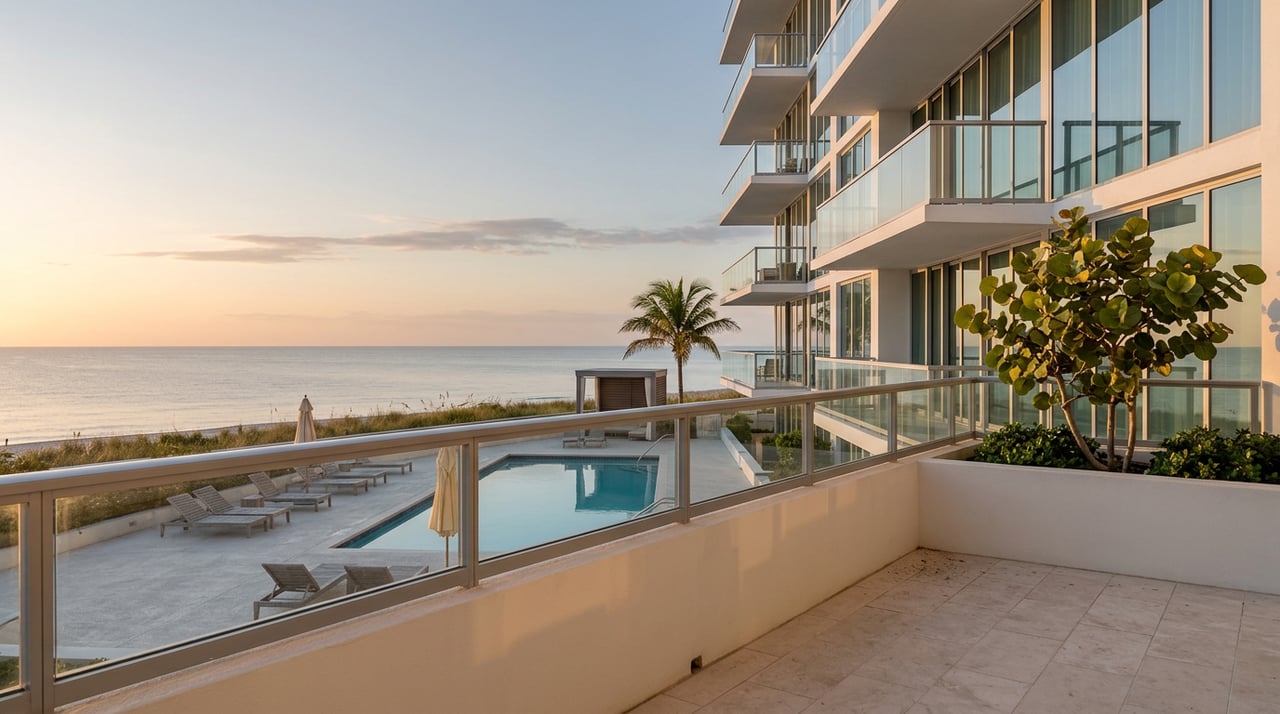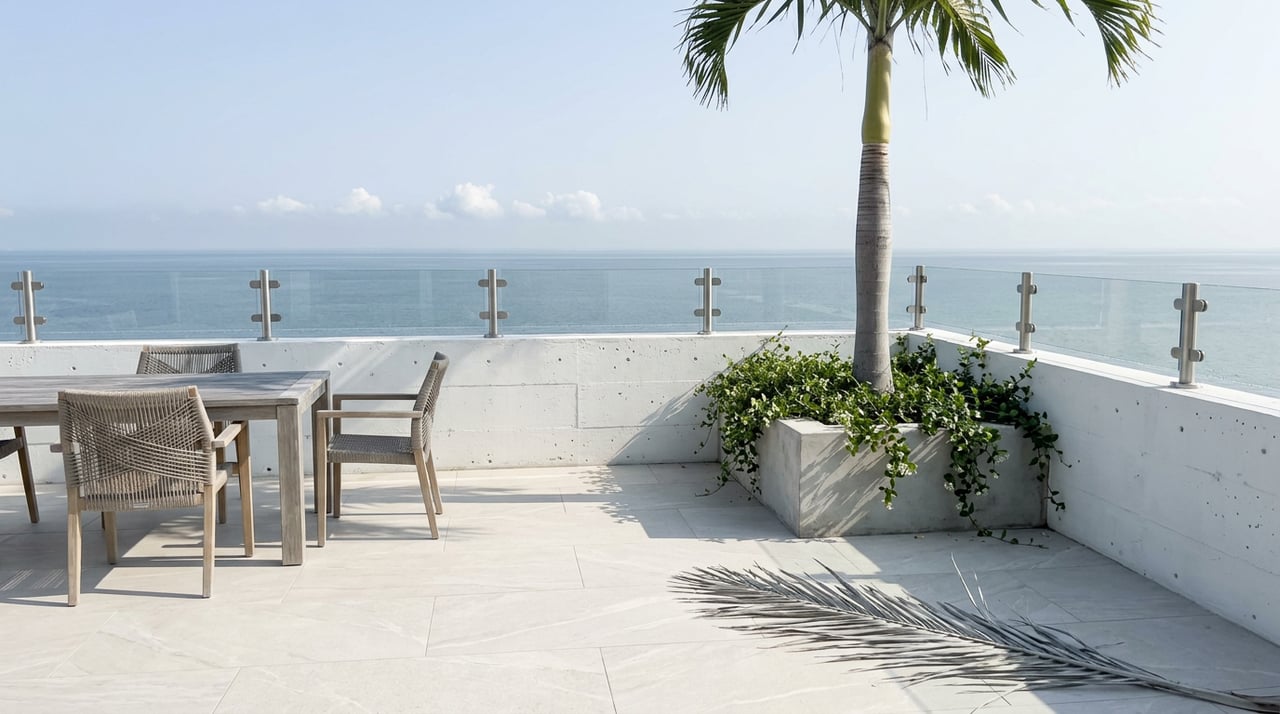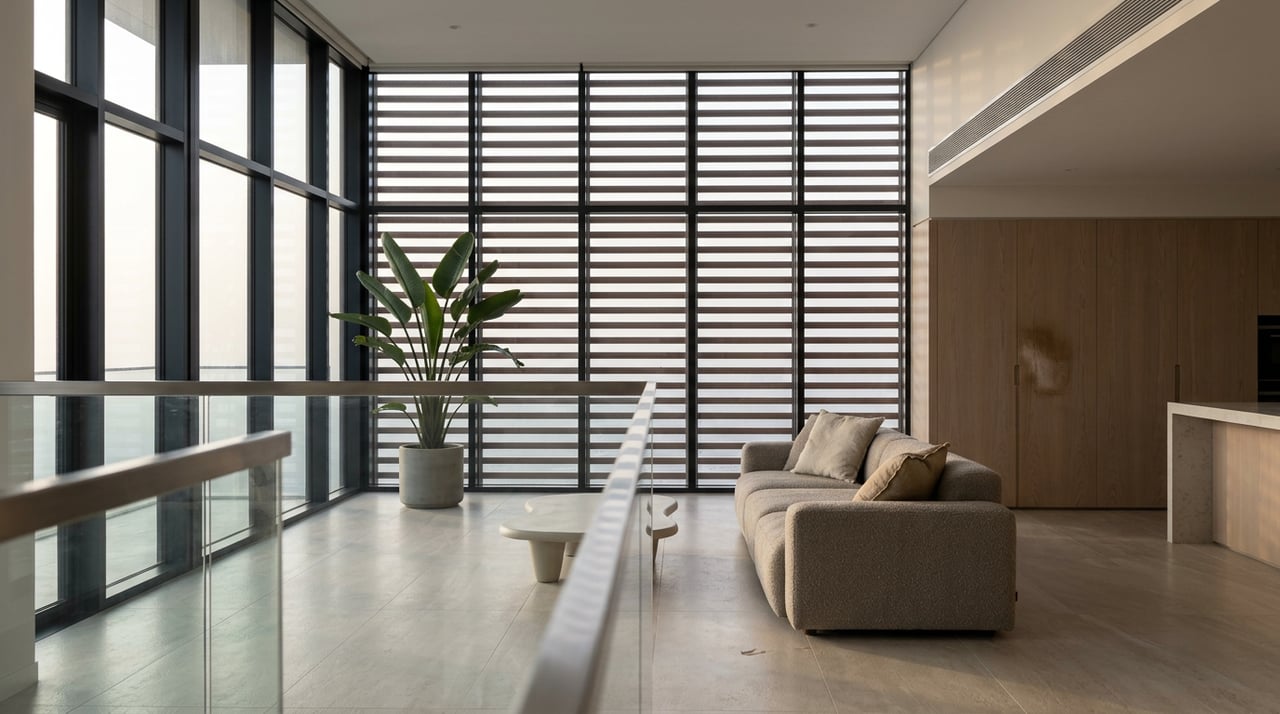
Edge House, the 57-story tower rising on NE 4th Avenue in Edgewater, sells itself to buyers as an investment play with no strings attached. The marketing describes fully furnished units built for flexible ownership, ready to rent nightly, weekly, or long term, no board approval required, no minimum stay to worry about.
The zoning paperwork the developer filed with the city describes something else. It refers to the residences as hotel units intended for short-term stay.
"Hotel units to be used for short-term stay (30 days or less)."
Same building, two different documents, two different kinds of promise. One is a sales pitch. The other is what the City of Miami actually approved. A buyer who reads only the first has no idea which promise they are relying on, and that gap matters more than it looks, because the two paths to "unrestricted rentals" in Edgewater expire on different timelines.
Two roads to the same marketing line
Most Edgewater condos that advertise rental flexibility get there one of two ways.
The first is board policy. A condominium association can adopt permissive leasing rules through its declaration and bylaws, the same documents that govern pet weight limits and parking assignments. Those rules can also be tightened. Florida condominium law lets an association change its leasing terms with a vote of the ownership, and the threshold for that vote lives in each building's own governing documents. What a sales team promises at closing in year one is not guaranteed to survive a board election in year five.
The second path is zoning. Some Edgewater towers, Edge House among them, were designed and permitted under a Miami 21 classification for lodging use rather than pure residential use. That classification is baked into the entitlement the city granted before a single unit sold. It is harder to unwind than a bylaw vote, because reversing it would require the city itself to revisit the approval, not just a majority of unit owners in a single building.
Neither path is inherently better. But they carry different kinds of risk, and a buyer comparing two "rental-friendly" units in Edgewater right now is often comparing one of each without realizing it.
What the bylaw path looks like when it goes wrong
Edgewater does not have to guess how the reversible version plays out. Opera Tower, a nearby condominium, embraced short-term rentals under its own house rules during the last decade. What followed was chaos inside the building: party units, turnover at all hours, and enough disorder that shootings were reported on site. In 2020, the condo association sued Airbnb, arguing the tower had effectively become an unlicensed hotel operating without hotel oversight. The building only stabilized after the association tightened its own rules.
That is the version of "no rental restrictions" that lives in a declaration rather than a zoning filing. It worked, until the people living next to the short-term units decided it didn't, and they had the legal standing to change it.
What Edgewater's towers are actually promising right now
The spread across current and pre-construction Edgewater buildings shows both models operating side by side, often within a few blocks of each other:
- Cove Miami prohibits short-term rentals entirely, positioning itself for a quieter, owner-occupied building.
- Aria Reserve permits rentals up to four times per year, with minimum stay periods, a board-set compromise rather than an open door.
- Spectre Miami is built around a lock-off design that lets an owner split one unit into two or three independently rentable spaces, with short-term rentals allowed 365 days a year.
- ELLE Residences allows short-term rentals and offers owners a fully managed rental program.
- Vida Residences uses a similar FlexShare structure, with a built-in program for short-term and extended-stay guests.
- 26 Edgewater, an existing 10-story building completed in 2018, sets a six-month minimum lease, a conventional condo policy with no lodging classification behind it.
- Edge House markets unrestricted rentals resting on a hotel-use zoning classification, not a board vote.
Price tier and building age do not predict which side of that line a tower falls on. What predicts it is which document actually grants the flexibility, the declaration or the zoning approval, and that document is rarely the one featured in the sales gallery.
Why the zoning path is a bigger bet than it looks
The zoning route is sturdier against a future board vote, but it is not immune to friction, and Edgewater has already shown what that friction looks like on the ground.
In a report published in November 2025, residents of Quantum on the Bay, the existing tower directly behind the Edge House site, described concrete pours running as early as 6 a.m. The developer had proposed a Good Neighbor Agreement that would have permitted 5 a.m. pours under a city noise waiver in exchange for concessions like debris netting and pool-deck cleaning. None of the closest buildings signed it, and construction reportedly continued at those hours regardless.
That dispute is about noise, but it is also a preview of the harder conversation coming once these buildings open for business rather than construction. Edge House is not an isolated project. That same November 2025 reporting identified at least three more towers moving through Edgewater's pipeline nearby: the twin 42-story Edgewater Collective, 1600 Edgewater, and 2900 Terrace, a 38-story mixed-use tower at 401 NE 29th Street where permits for foundation work and phased vertical construction were filed that October. Kobi Karp, the architect behind Edge House, also designed 1600 Edgewater and the Edgewater Collective towers, and his firm has a track record of working within Miami 21's zoning tools. The same playbook is being run more than once in the same few blocks.
Earlier this year, the City of Miami made it easier to build more of this kind of density along the waterfront. A Resilience Trust Fund ordinance adopted by the City Commission on January 8, 2026 allows developers to double residential density in Edgewater's coastal high hazard zones, from 150 units per acre to 300, in exchange for a per-unit contribution city commissioners discussed at roughly $35,000, funneled toward pump stations, seawalls, and roadway elevation. The city's posture is more building, not less. That means the number of lodging-classified towers sitting next to conventional residential ones in Edgewater is likely to grow before it shrinks, and the neighbor tension reported around Edge House's construction is a structural feature of that growth, not a one-time dispute that resolves once the concrete cures.
For a buyer, that means the zoning path protects your rental right from your own condo board, but it does not protect you from the political and quality-of-life pressure that accumulates as more of these buildings open around you.
How to find out which promise you are actually buying
- Ask for the zoning classification behind the unit, not just the condo declaration. Miami's own zoning lookup tool lets you check a specific address against its approved use.
- If the flexibility rests on association bylaws rather than zoning, read the vote threshold required to amend the leasing section of the declaration. That number tells you how easily a future board could do what Opera Tower's did.
- Compare a resale unit's current rules against its original marketing. A building that opened five years ago with permissive rules may already be several rule changes past that pitch.
- If you are underwriting rental income against a zoning-based promise, factor in that the classification was granted by a city commission that can, in theory, revisit the tools that created it, the same commission currently expanding density incentives nearby.
FAQ
Can a condo association really reverse a "no rental restriction" policy after I close? Yes, if the flexibility comes from the building's declaration and bylaws rather than a zoning classification. Florida law requires a membership vote to change leasing rules, and the exact threshold is set by each building's own documents, not a statewide standard.
Does a zoning classification protect my short-term rental income permanently? It protects the promise from a single board's vote, which is more durable than a bylaw. It does not insulate the building from city-level political pressure, and Edgewater has already shown early friction between a lodging-classified tower under construction and the residential building next door.
Is Edgewater's rental policy the same as Miami Beach's? No. Edgewater sits within the City of Miami, which follows its own zoning code and Miami-Dade County short-term rental rules. Miami Beach runs a separate, generally stricter framework. A building's rental status in one city tells you nothing about a comparable building across the causeway.
If you're weighing a pre-construction unit in Edgewater against a resale a few blocks away, the difference often comes down to which document is actually doing the work behind the rental pitch. Kimberly Rodstein reads that fine print before you sign a reservation agreement, not after. Reach out to request a private market consultation or a preview of what's actually moving in Edgewater right now.